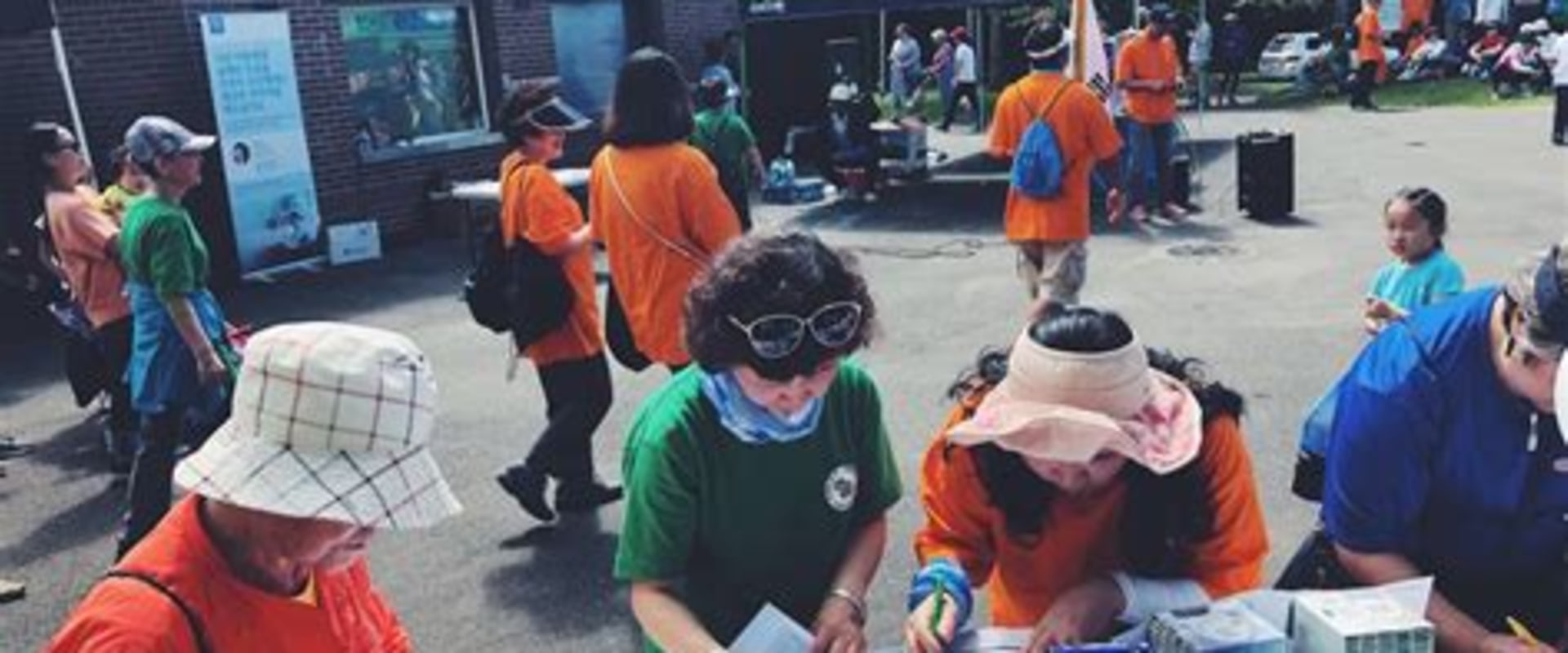
When discussions about voter participation arise, attention often focuses on campaign strategies, political issues, candidate outreach, and election-day logistics. While these factors certainly influence turnout, there are deeper community-level conditions that can affect whether people remain engaged in the democratic process over the long term. One of the most overlooked influences is community stability. Stable communities often create environments where residents feel connected, informed, and invested in local decision-making. As a result, individuals living in these environments may be more likely to participate consistently in elections and civic activities. The relationship between community stability and voter engagement is subtle, yet it plays a meaningful role in shaping long-term civic participation.
The Importance of Long-Term Community Connections
People who remain in a community for extended periods often develop stronger ties to local institutions, schools, businesses, and neighborhood organizations. These connections can increase awareness of local issues and foster a greater sense of responsibility toward community outcomes. Residents who know their neighbors, attend community events, and interact with local leaders may feel more motivated to participate in elections because they see how policy decisions affect their daily lives. Civic engagement often grows when people feel personally connected to the places where they live and work. Stable communities provide opportunities for these relationships to develop over time.
Trust as a Foundation for Participation
Community stability can also contribute to higher levels of trust among residents. Trust in neighbors, local organizations, and public institutions often encourages people to become more involved in civic life. When individuals believe that their voices matter and that local systems are responsive to community needs, they may be more likely to vote consistently. Conversely, frequent disruption, instability, or a lack of community cohesion can make civic participation feel less meaningful. Building trust takes time, and stable neighborhoods often provide the continuity necessary for that trust to grow.
The Role of Local Engagement
Voter participation is frequently influenced by activities that occur outside of election seasons. Community meetings, volunteer opportunities, neighborhood improvement projects, and local events all contribute to a culture of engagement. Residents who regularly participate in community activities often develop a stronger understanding of local challenges and opportunities. This awareness can translate into greater interest in elections and public policy. Stable communities tend to provide more opportunities for sustained engagement because residents have the time and incentive to become involved in local initiatives and build lasting relationships.
Economic Stability and Civic Involvement
Economic factors can also influence voter participation. Individuals who experience greater housing stability and predictable living conditions may have more capacity to focus on civic involvement. Frequent relocations, financial uncertainty, and housing disruptions can create barriers to participation by making it more difficult to stay informed, maintain voter registration, or engage with local issues. Communities that support long-term residency and economic security often create conditions that encourage consistent civic engagement. Stability provides residents with the opportunity to invest in their communities and develop a stronger stake in local outcomes.
Everyday Services and Community Continuity
Community stability is supported by a wide range of factors, including access to housing, transportation, local services, and practical resources that help residents maintain continuity in their lives. Businesses that support individuals and families during transitions can contribute indirectly to stronger community foundations. Services such as moving assistance, housing support, and storage solutions help residents manage life changes while remaining connected to their communities. Companies like Budget Storage illustrate how practical services can play a small but meaningful role in supporting stability during periods of transition and change.
Strengthening Civic Participation Through Stronger Communities
The connection between community stability and long-term voter participation is often overlooked because it develops gradually rather than through highly visible campaigns or initiatives. Yet stable communities create the conditions that allow civic engagement to flourish. Strong social connections, trust, local involvement, and economic security all contribute to an environment where residents feel invested in shaping the future of their communities. By recognizing the importance of stability as a foundation for participation, communities can better understand how everyday conditions influence long-term civic involvement and help sustain a healthy democratic process for generations to come.